
A Frigidaire door that won’t close is a problem you should treat early. Even a small gap at the door seal allows warm air to enter, which quickly leads to frost buildup, fluctuating temperatures, longer run times, and higher energy use. In many cases, the issue starts as something minor, like obstructions or leveling, but turns into gasket deformation, ice accumulation around drawer rails, and repeated door alarms.
Same symptom turns up on other brands too – start with the GE freezer door not sealing troubleshooting guide.
In our Atlanta service work, we see this across Frigidaire Gallery and Professional series units, as well as common models like FGHS2631PF, FFHS2622MS, FRFS2823AS, and FGHB2868TF. The exact configuration matters, because a side-by-side freezer door fails differently than a bottom freezer drawer, and the right fix depends on what’s preventing the door from sealing.
We created this guide to help you solve the problem in the most efficient order. We’ll show you how to:
- identify what’s stopping the door from closing
- check for door alignment, hinge sag, and hinge bearing wear
- diagnose closing cam problems when the door pops back open
- inspect the door gasket and confirm whether the door seal is holding
- spot issues with the door stop and, on some configurations, the mullion heater flap
If your door still won’t close after these checks, we’ll also explain when it’s time to call for professional repair, so you can stop forcing the door and prevent frost damage to the freezer compartment.
If Your Frigidaire Door Won’t Close: Start With These Two Questions
Before you touch anything, ask yourself:
- Does the door physically stop short (it hits, catches, or won’t shut)?
- Or does it shut but fail to stay shut (pops open, drifts open, or doesn’t seal)?
These two patterns lead to different causes. We’ll follow a practical order that mirrors how we diagnose these units in real kitchens.
Step-by-Step Checklist: What to Check at Home
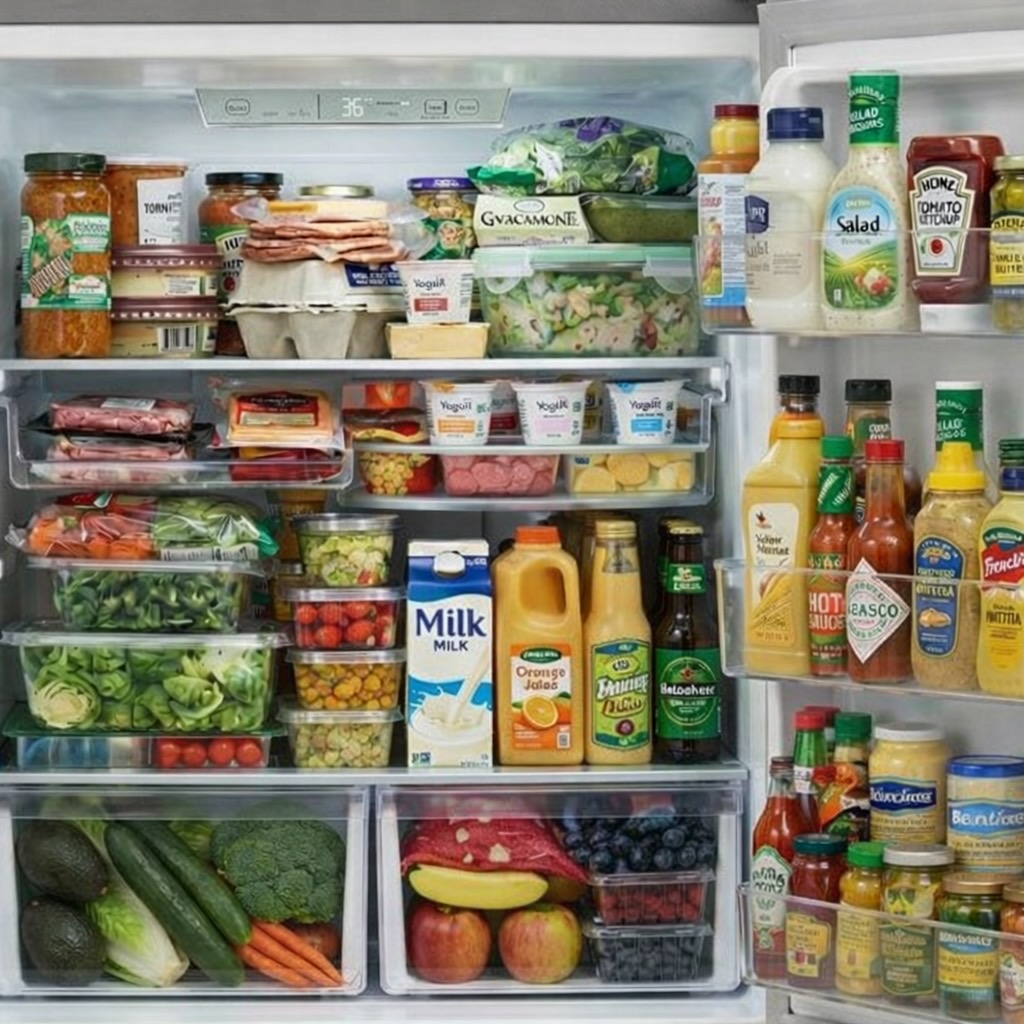
1) Check for Obstructions (Inside the Freezer and Along the Door Edge)
This is the most common reason a freezer door won’t close. It is also the easiest to miss.
Look for:
- A drawer not fully seated
- A bin slightly off track
- Packaging caught behind a basket
- Food bags or boxes protruding into the door path
- Ice buildup along the lower door edge
- A shelf rail that shifted or cracked
Pro tip from our field work:
If your door closes when the freezer is half-empty but not when fully loaded, you’re almost certainly dealing with an obstruction or a drawer alignment issue. These are especially common in bottom freezer drawer designs.
What to do: Remove the items nearest the door, reseat drawers and bins, and try again.
2) Confirm Your Appliance Is Properly Leveled (It Matters More Than Most People Think)

A Frigidaire door relies on hinge geometry and gravity. If the cabinet is slightly tilted forward, the door will drift open, bounce open, or refuse to “catch” into the seal.
This happens often after:
- Cleaning behind the appliance
- Flooring work
- Moving the unit to install cabinetry
- A recent repair that shifted the legs
- A heavy door loading change
Signs leveling is the issue:
- The door drifts open when you let go
- The door closes only if you push hard
- One corner feels slightly unstable
- The door seems “heavier” on one side
What to do: Use a small level on the top of the appliance. Most refrigerators and freezer drawers close best when the front is slightly higher than the back. Small leveling changes can dramatically improve closure.
3) Inspect the Door Seal (Gasket): The Most Common Reason the Door Won’t Seal

A worn door gasket doesn’t always look broken. Sometimes it’s simply flattened, stiff, warped, dirty, or not sitting correctly in the channel.
Signs the door gasket is failing or the door seal isn’t holding:
- Frost buildup near the perimeter
- Condensation beads on the gasket
- You can feel cold air leaking
- The door closes but seems slightly “springy”
- The freezer runs more than usual
The Dollar Bill Test (Quick, Reliable)
Close the door on a dollar bill and pull gently. Test several spots around the door.
- Strong resistance = good seal in that area
- Slides out easily = the door is not sealing there
For the wider picture on this brand, see our full write-up on Frigidaire leaking water.
When this test fails on only one side, the gasket may not be the main issue. Often, it’s door alignment, hinge sag, or a worn hinge bearing.
What to do: Clean the gasket with warm water and mild soap. Avoid harsh chemicals. Make sure the gasket is seated evenly in its groove.
4) Check Door Alignment and Hinge Sag
If the door is sagging even slightly, it can throw off sealing pressure and prevent proper closure.
Signs of alignment issues:
- The door looks slightly lower on one side
- The gasket compresses unevenly
- The door rubs at the bottom
- You feel resistance near the last inch of closure
- You can lift the door slightly and it closes easier
This typically points to:
- worn hinge bearing
- hinge bracket wear
- loose hinge hardware
- cabinet twist from uneven flooring
What to do: Avoid forcing the door. A sagging door can damage the gasket, hinge bracket, and door liner if ignored.
5) Closing Cam Problems: The Classic “It Closes… Then Pops Open”

If your Frigidaire door closes but pops back open, the closing cam is one of the first components we inspect.
The closing cam is a small part in the hinge assembly designed to guide the door into a closed position. When it wears, cracks, or shifts out of alignment, you get the bounce-back effect.
Signs of a worn closing cam:
- Door closes but springs back open
- Squeaking near the bottom hinge
- Door feels gritty or uneven in motion
- You must push hard to latch
What to do: Do not slam the door. Slamming accelerates hinge wear and can crack the liner. A cam replacement plus proper adjustment usually solves this cleanly.
6) Door Stop Issues: The Door Can’t Close If It Stops Too Early
A misaligned or damaged door stop can prevent full closure. This often happens after:
- door reversal
- hinge replacement
- DIY gasket repair
- earlier service work
A door stop that hits too soon leaves the door “almost” closed and creates a persistent seal gap.
What to do: If you suspect door stop interference, it’s best to have it inspected. Many homeowners unknowingly make the issue worse by tightening the wrong screws.
7) Mullion Heater Flap Interference (Mostly on Refrigerator + Freezer Combinations)
Some Frigidaire refrigerator/freezer configurations include a mullion heater flap between doors. If that flap warps or sticks, one door may hit it and fail to close properly.
This is most common in:
- side-by-side refrigerator/freezer models
- French door configurations
- certain Gallery and Professional series designs
What to do: If your doors interfere with each other or one door pushes the other open, mullion flap alignment should be checked.
Why This Problem Gets Worse Over Time
When the door won’t close or the door seal leaks, you invite in warm, humid air. That causes:
- frost buildup along the perimeter
- ice around rails and drawers
- frequent defrost cycles
- compressor strain
- unstable freezer temperatures
- freezer burn and food quality loss
- higher utility bills
- early component wear
In Atlanta and across GA, humidity makes this progression faster. A small seal leak can become a heavy ice problem in days.
Models We Service
The following model numbers are frequently tied to door closure complaints:
- FGHS2631PF
- FFHS2622MS
- FRFS2823AS
- FGHB2868TF
- Gallery series
- Professional series
Some of these are refrigerators with freezer compartments, which is important because “freezer door won’t close” may refer to:
- a side-by-side freezer door
- a bottom freezer drawer
- door interaction caused by the mullion flap system
Common patterns we see:
Side-by-side models (FGHS2631PF, FFHS2622MS):
Most often hinge sag, closing cam wear, leveling drift, and seal leaks.
French door + bottom freezer (FRFS2823AS, FGHB2868TF, Gallery/Professional):
Most often drawer rails off-track, ice buildup in the track channel, gasket deformation, and cabinet leveling issues.
When It’s Time to Call a Professional
You should call for service if:
- the door pops open after closing
- the gasket looks fine but the door won’t seal
- you see frost or condensation along the perimeter
- you have to force the door
- the door sits crooked or lower than the cabinet line
- the door alarm keeps going off
- the issue returns after you clear obstructions
- the appliance runs longer than normal
These are not “wait it out” problems. A sealing issue is a performance issue, and performance issues become expensive.
Same-Day Frigidaire Door Repair in Atlanta & Across Georgia
If your Frigidaire freezer door won’t close, or your door isn’t sealing properly, we’ll diagnose the cause and restore proper closure without guesswork.
We repair:
- obstructions and drawer seating
- leveling and cabinet stability
- door alignment
- hinge bearings
- closing cam components
- door stops
- door gasket and seal issues
- mullion heater flap interference
A Properly Closing Door Is Not a Convenience, It’s the Core of Cooling Performance
A Frigidaire door that won’t close is rarely random. It’s usually one of a few issues: obstructions, leveling, door alignment, hinge bearings, closing cam wear, gasket failure, door stop interference, or (in some configurations) a mullion heater flap that isn’t sitting correctly.
If you catch it early, it stays a simple repair. If you ignore it, you’ll pay for it in frost, energy waste, and longer-term wear on the cooling system.
Related guides
FAQ
1. Why won’t my Frigidaire freezer door close all the way?
Most often it’s obstructions (a bin, drawer, or food package out of place) or ice buildup along the edge. If nothing is blocking it, the next suspects are leveling and door alignment.
2. Why does my Frigidaire door close but pop back open?
That’s usually a hinge-related issue, especially a worn closing cam or hinge bearing. When these parts wear down, the door can’t settle into the fully closed position and it rebounds slightly.
3. How can I tell if the door is shut but not sealing?
Watch for frost around the perimeter, condensation near the gasket, or a freezer that runs longer than normal. The fastest check is the dollar bill test: if it pulls out easily, the door gasket / door seal isn’t holding.
4. Why is my bottom freezer drawer closed but still leaking air or triggering the alarm?
Bottom freezers are sensitive to rail alignment. A drawer that’s slightly off-track, overloaded, or iced up can leave a small seal gap even when it looks closed. That gap is enough to cause frost and repeated alarms.