
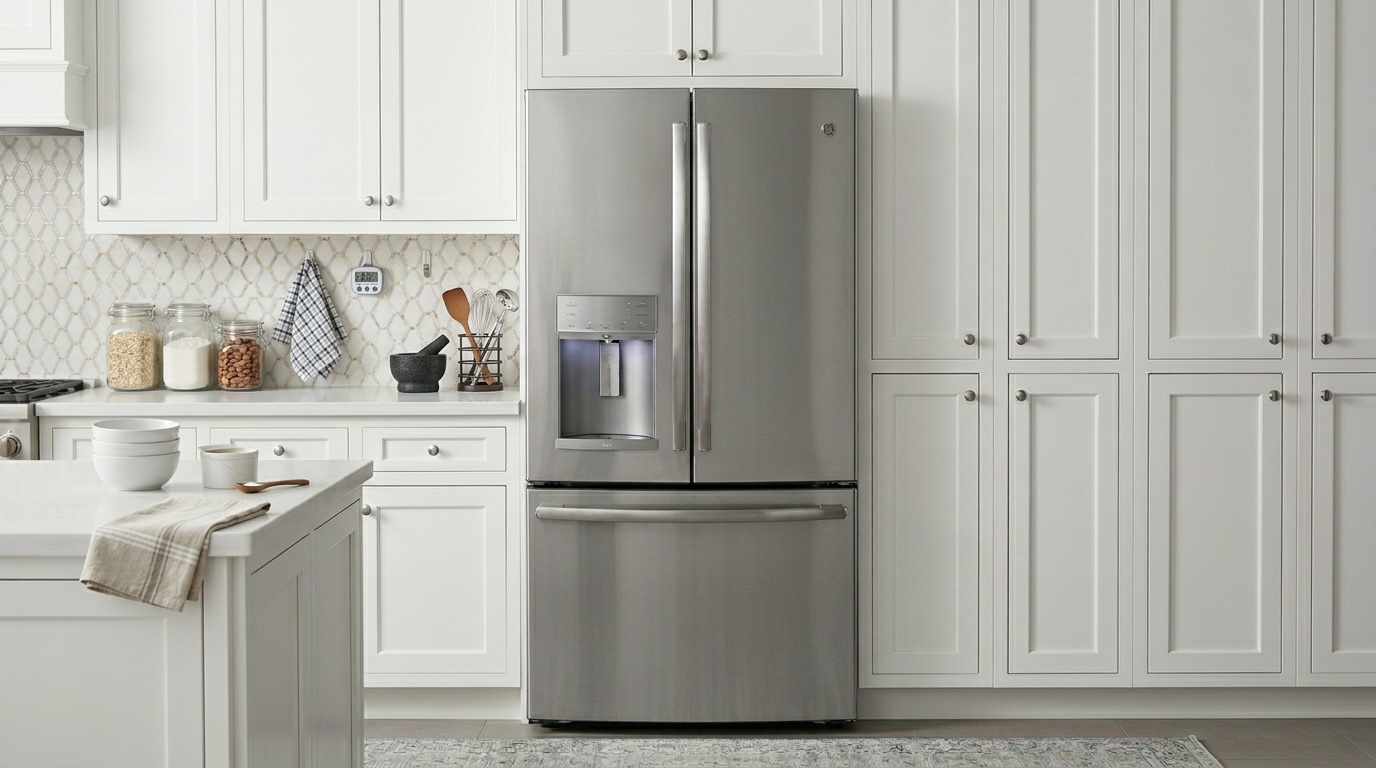
You push the glass against the dispenser lever, hear the hum, but nothing comes out. Or maybe the bucket’s sitting empty, and your GE fridge is suspiciously quiet. A broken ice maker is more than an inconvenience — it’s a daily reminder that something in your kitchen’s ecosystem is off.
Same symptom turns up on other brands too – start with more on Bosch ice maker not working.
Here at Appliance Repair Master, we know Atlanta’s relationship with ice. Our humid climate and hard water create a perfect storm for GE ice maker troubles. We’ve fixed every type of failure on models from Midtown condos to Marietta family homes. The good news? Most issues are logical, often fixable, and rarely spell the end for your appliance.
This guide walks you through the “why,” the “what-to-check,” and the “when-to-call.” We’ll translate technician speak into plain steps, so you can either solve it yourself or know exactly what to tell us when you call.
How Your GE Ice Maker Works And Where It Gets Stuck
Understanding a few basics turns you from frustrated owner into savvy troubleshooter. Your GE ice maker is a clever, mechanical robot on a loop:
- The Signal: A small thermostat in the ice tray senses it’s cold enough, or a timer decides it’s time. A mechanical arm (or control module) initiates the cycle.
- The Fill: The water inlet valve opens for about 7 seconds, sending water through the fill tube into the mold. This requires good water pressure and a clear path.
- The Freeze: The freezer temperature (ideally at 0°F) solidifies the water. This step is where most hidden problems begin.
- The Harvest: A heater briefly warms the mold, and the auger motor turns, twisting the cubes free into the bin.
The Atlanta Weak Point: Our humidity makes frozen water line issues incredibly common. Minerals in our water lead to water filter clogs. Knowing this helps you check the right places first.
Models That See Ice Maker Problems Most Often
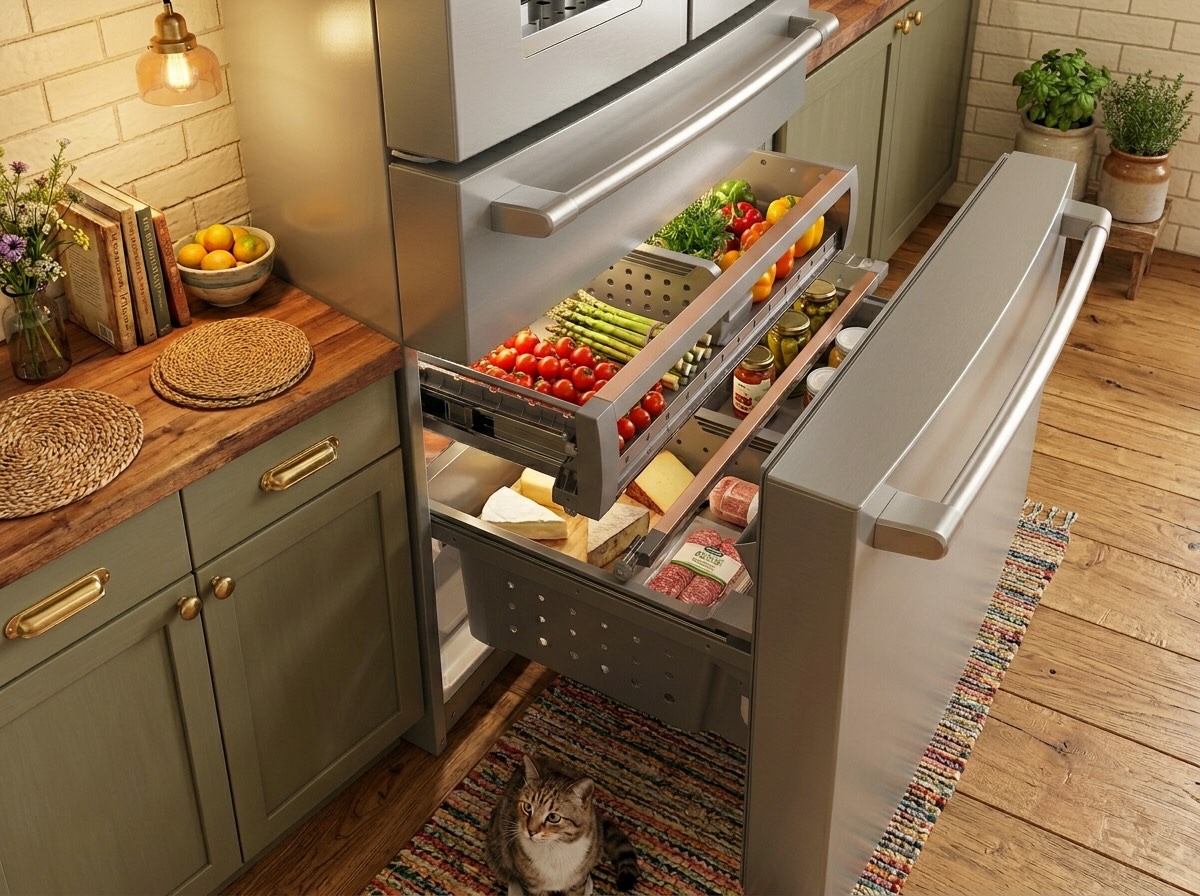
GE ice makers are consistent across the line, but some models get more calls because of their design or how people use them:
- GFE28GYNFS — French-door with bottom freezer; frozen water line is the #1 complaint.
- PYE22KYNFS — Profile series; water filter clog after DIY filter changes.
- GNE27JYMFS — French-door; dispenser issues from door tubing wear.
- PFE28KYNFS — Profile with in-door ice; water inlet valve sticks from hard water.
- Profile series — premium models with more electronics; ice maker control arm gets bumped often.
- Café series — luxury versions; same issues, just with fancier dispensers.
We also see the same problems on GFD28GELDS (Profile) and CVE28DP2NS1 (Café) — all share the same basic ice maker platform.
Common Causes of GE Ice Maker Failure
Here’s what we find when we open up these units:
- Frozen water line — the fill tube ices over from cold drafts or low freezer temp.
- Water filter clog — old filter restricts flow, even if water still comes out the dispenser.
- Water inlet valve stuck or weak — needs at least 20 psi; low pressure or mineral buildup stops fill.
- Ice maker control arm stuck up — bumped or frozen in place, maker thinks it’s full.
- Ice tray thermostat bad — won’t trigger harvest cycle.
- Auger motor jammed — cubes freeze together or motor fails.
- Dispenser issues — chute frozen or solenoid stuck in premium models.
Most of these start small and get worse in our humid summers.
Your Step-by-Step Diagnostic Checklist (What to Do First)
Before you think about parts, run through this list.
For the wider picture on this brand, see what we’ve seen with GE refrigerator freezer compartment not freezing properly.
Step 1: Listen and Look
- Listen for the Fill: When you think a cycle should start, press your ear to the fridge. Do you hear a distinct solenoid click and a 5-7 second water flow sound? If yes, the water inlet valve is likely working. If not, that’s clue #1.
- Check the Arm: Find the plastic ice maker control arm inside the ice maker itself. Is it in the “up” (off) position? Gently lower it. This simple switch deactivates the unit when the bin is full.
Step 2: Measure the Environment
- Verify Freezer Temperature:Place a reliable thermometer in the freezer. It must be at 0°F or slightly below. If it’s warmer (even 5-10°F), ice won’t form properly. This is the #1 cause of “no ice” or “thin ice” we see.
Step 3: Inspect the Water System
- Check the Water Filter: Is it older than 6 months? A water filter clog is a silent killer of ice production. Note the model and consider a water filter replacement.
- Look for Ice in the Wrong Places: Shine a flashlight into the ice maker compartment. Do you see a glacier of ice in the fill tube or around the tray? A frozen water line inside the door is classic.
Step 4: Test the Dispenser
- Separate the Issues: Are you having dispenser issues (no ice comes out when you press the lever) or is the maker simply not producing ice? If water comes out of the dispenser but not ice, the problem is likely the auger motor or a jam inside the bin.
Common Culprits: From an Easy Fix to a Part Failure
Once you’ve done your checks, your symptoms will point to one of these common issues:
Symptom | Likely Cause | Explanation & Typical Fix |
No ice, no sound of water filling. | Water inlet valve failure or water filter clog. | The valve needs ~20 psi to open. A clogged filter or failed solenoid stops it. DIY filter swap is easy; valve replacement is a pro job. |
Freezer feels cold, but temp is above 5°F. | Incorrect freezer temperature. | The ambient setting is too warm. Adjust the freezer control. Ensure vents aren’t blocked by food. |
Ice maker is silent, arm is down. | Frozen fill tube or internal ice tray thermostat failure. | Humidity freezes water in the line before it reaches the tray. Requires thawing and often a seal check. |
Loud grinding or buzzing, no ice ejection. | Failed auger motor or a jammed ice chunk. | The motor that twists the ice out has worn out or is obstructed. Needs inspection and likely replacement. |
Small, hollow, or slow ice production. | Low water pressure (below 20 psi) or a partially clogged water filter. | Not enough water enters the mold per cycle. Check home water pressure and filter age. |
Ice dispenser lever does nothing. | Dispenser micro-switch or auger motor issue. | A separate system from ice making. The switch behind the lever or the dispenser motor itself may be faulty. |
When Your DIY Journey Ends (And Ours Begins)
You’ve checked the temperature, replaced the filter, and thawed the line. The problem persists. Here’s when you should call us, and why:
- Replacing the Water Inlet Valve: This requires shutting off the water supply, accessing the valve (often behind the fridge), and ensuring electrical connections are safe. Getting the specs right (like the required 20 psi) matters.
- Diagnosing a Bad Auger Motor or Thermostat: This involves disassembling the ice maker assembly itself. Forced disassembly can break plastic gears or housing.
- Addressing Chronic Frozen Lines: If your fill tube freezes repeatedly, the issue might be a faulty seal letting moist freezer air in, not just the climate. We find and seal the leak.
- Working on Integrated Systems (Profile & Café Series): High-end models like the Profile series or Café series have more sophisticated electronics and built-in diagnostics. Our techs have the specific tools and training for these.
Why Call Us? We arrive with the most common GE parts — valves, motors, thermostats — in our van. We diagnose the root cause, not just the symptom, so the fix lasts. For a unit like the GFE28GYNFS, we can often complete the repair in one visit.
What Happens If You Just Ignore It?
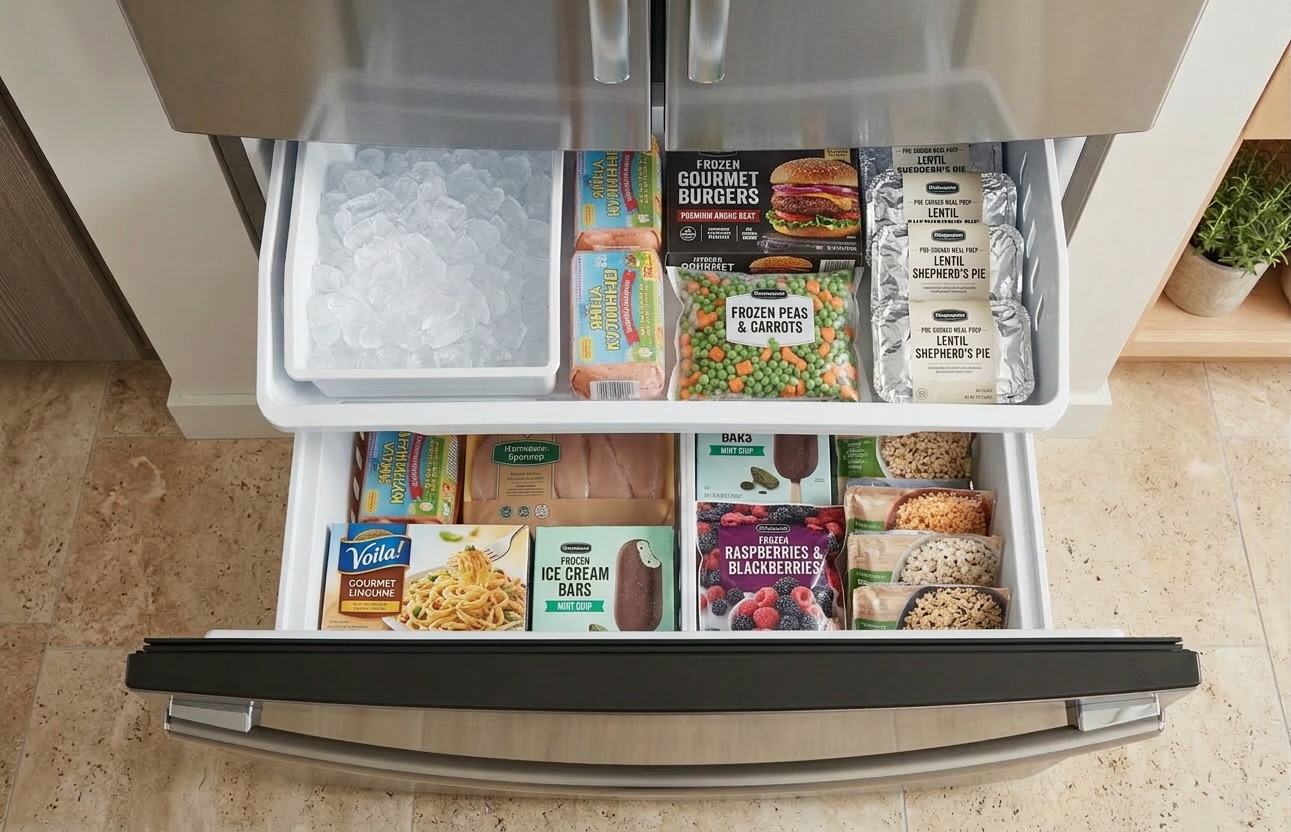
A broken ice maker isn’t a static problem. It can escalate:
- Water Damage: A leaking water inlet valve or a constantly thawing frozen line can drip into the freezer and down into the fridge compartment, causing mold and electrical issues.
- Strain on Other Parts: A struggling auger motor can trip a thermal fuse or damage gears.
- Complete Assembly Failure: What starts as a slow fill can end with a burned-out valve or a seized motor, making a repair more costly than if addressed early.
- Hygiene Issues: Stagnant water in a frozen line or mold in a damp ice bucket is a health concern.
Conclusion
A GE Ice Maker Not Working is a puzzle, but one with a logical set of clues. Start with the basics: freezer temperature, the water filter, and a visual check for ice. Often, the solution is in those first steps.
When the issue is deeper — a faulty water inlet valve, a broken auger motor, or a chronic freeze-up — that’s where our local expertise comes in. We understand how Atlanta’s climate interacts with your appliance and have the parts on hand to get your ice flowing again, usually on the very same day.
Don’t settle for a lukewarm drink. Let’s get your kitchen back to 100%.
Related guides
FAQ
1. I replaced my water filter, but my GE ice maker is still not working. What’s next?
The next step is to check the actual freezer temperature with a thermometer. If that’s at 0°F, then listen for the water inlet valve to click open during a cycle. If you don’t hear it, the valve itself or the water pressure to it is likely the issue, which is our most common service call.
2. Why does my ice maker in my GNE27JYMFS keep freezing up inside?
This is the classic Atlanta frozen fill tube. High humidity gets into the ice maker compartment and freezes in the water supply line. It often points to a worn door gasket letting in moist air or an issue with the defrost system in that section. It needs a professional thaw and seal check.
3. Is it worth repairing the ice maker on an older GE fridge?
Almost always, yes. The ice maker assembly is a modular part. The repair cost is typically a fraction of replacing a refrigerator, especially a reliable one. We’ll give you a straightforward quote after diagnosis.
4. My ice maker makes ice but doesn’t drop it. What’s wrong?
This is typically the harvest cycle failing. Either the ice tray thermostat isn’t signaling the heater to warm the mold, or the auger motor that turns and pushes the ice out has failed. This requires hands-on testing of those components.