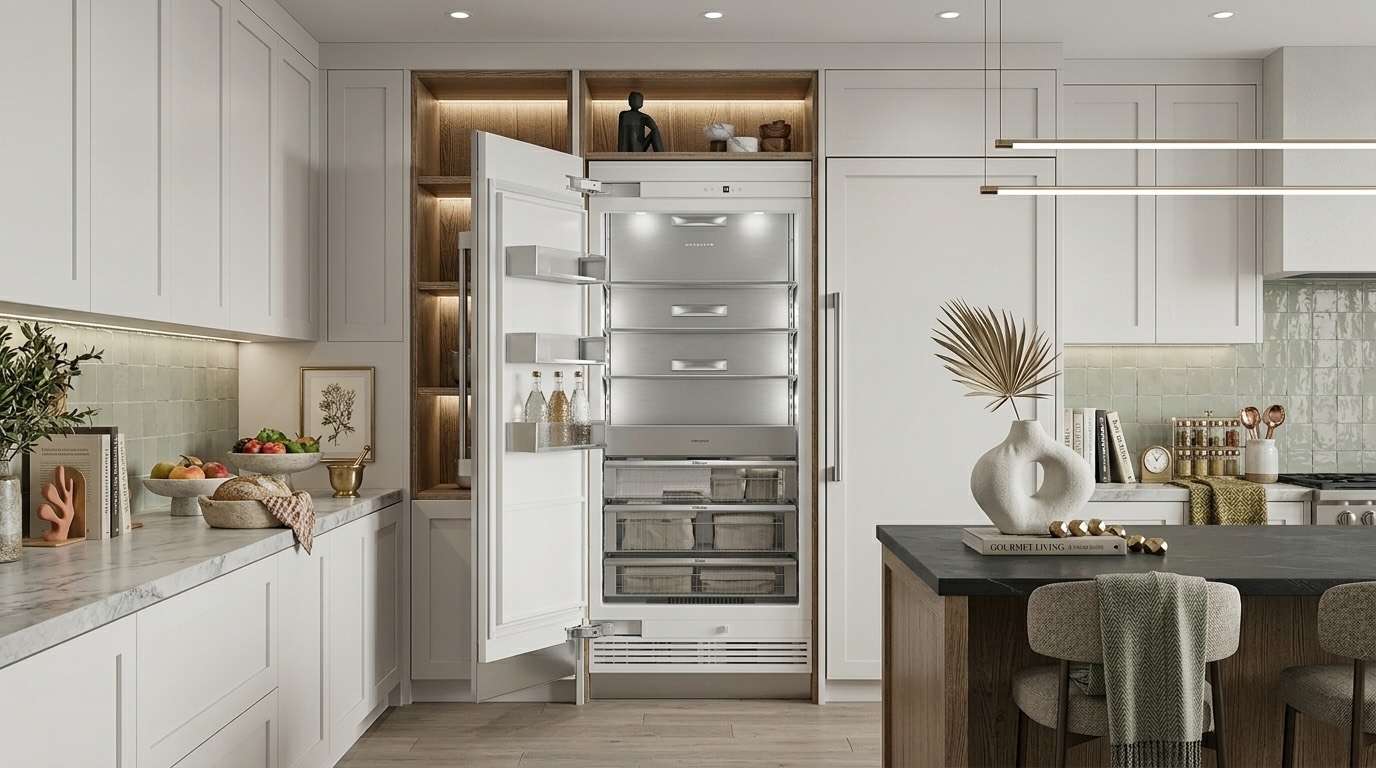
A GE Monogram refrigerator represents a serious investment — premium materials, flawless integration into custom kitchens, and top-tier performance. But when the door won’t close properly, that luxury quickly turns into a practical headache. Warm air sneaks in, food spoils faster, energy bills creep up, and the whole system works harder than it should.
Same symptom turns up on other brands too – start with more on GE freezer door not sealing.
Here in Atlanta, our Appliance Repair Master team sees this issue regularly with high-end Monogram units. Homeowners often notice it starts small — a door that needs an extra push or doesn’t latch on its own — but left unchecked, it escalates.
The causes range from something as straightforward as a misplaced item blocking the swing to deeper mechanical wear like a failing hinge component. In the sections ahead, we’ll walk through the most common reasons, how these problems show up on different Monogram models, simple checks you can do yourself, and when it’s smartest to call in a technician who knows these built-ins inside out.
The GE Monogram Benchmark: Precision Engineering Meets Real-World Use
GE Monogram refrigerators stand in a class of their own — true built-in luxury appliances designed to disappear seamlessly into high-end cabinetry. These units feature heavy, full-size doors (often with glass panels or custom wood overlays), precision-machined hinges, and robust door seal systems that rely on a combination of flexible gaskets and integrated magnetic strips for airtight closure.
In theory and in controlled testing, Monogram models deliver exceptional reliability. The engineering is top-shelf: doors are balanced for smooth operation, and the door seal is engineered to maintain consistent compression even after thousands of cycles. Yet in real Atlanta kitchens — where custom installations, uneven flooring, heavy daily use, and years of subtle settling come into play — these precise mechanisms can develop vulnerabilities.
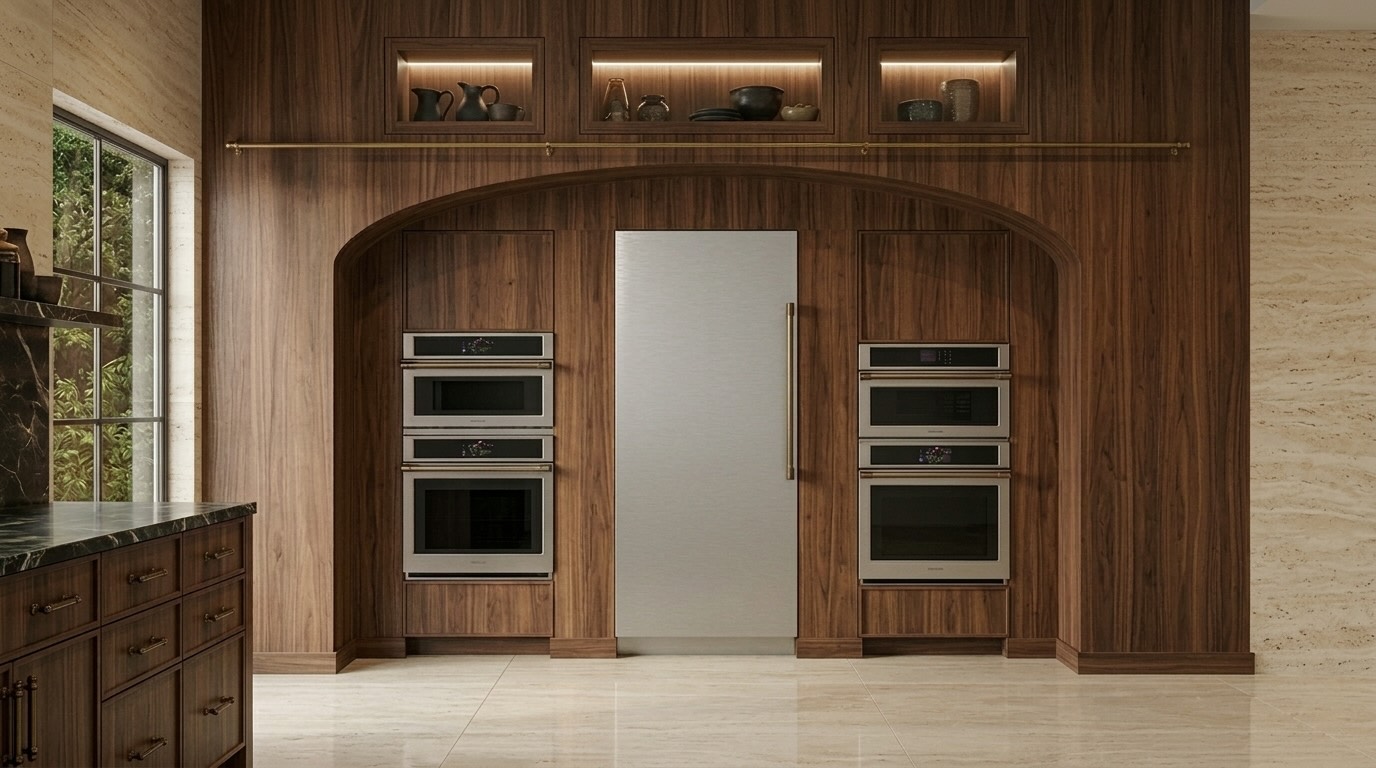
The weight of the doors alone puts significant stress on hinges, especially in larger side-by-side or French-door configurations. Add in the flush-mount requirement (no wiggle room like freestanding models), and even minor hinge misalignment from installation or gradual house shifts can prevent proper sealing. Our technicians see this pattern consistently: Monogram units rarely fail dramatically, but when door issues appear, they demand careful handling and genuine GE parts to restore that factory-fit performance without compromising the premium look or function.
The Top 5 Culprits: Why Your GE Monogram Refrigerator Door Won’t Seal
From thousands of service calls across upscale Atlanta homes, these are the issues we encounter most often when a GE Monogram door won’t close or seal tightly:
#1- Door gasket worn or torn
Over time, the rubber door seal loses elasticity, develops cracks, or collects debris. The embedded magnetic strip weakens then fails to pull the door snug against the cabinet.
#2 - Hinge misalignment or wear
Heavy doors gradually stress the upper and lower hinges, causing them to shift slightly and create door sagging — the top or bottom edge no longer aligns flush.
#3 Closing cam broken or worn
This small plastic piece in the lower hinge acts like a gentle “pull-to-close” assist. When it cracks or flattens, the door stops short of latching and may bounce back open.
#4 Obstructions and leveling problems
A jar on a shelf, a misaligned drawer, or an unlevel floor prevents full closure. In built-ins, even 1/8-inch out-of-level can amplify the issue.
#5 Internal door component strain (especially in multi-door models)
Repeated opening of heavy French or side-by-side doors can loosen internal latches or stress pivot points, leading to inconsistent latching.
Each of these has telltale signs and straightforward fixes — some you can handle at home, others require our specialized tools and parts.
For the wider picture on this brand, see the GE Monogram making loud noise troubleshooting guide.
Scenario Breakdown: How Different Monogram Models Act Up
GE Monogram refrigerators come in several configurations, and the way a door won’t close manifests often depends on the door style and size. Here’s how these problems typically play out based on the models we service most in Atlanta:
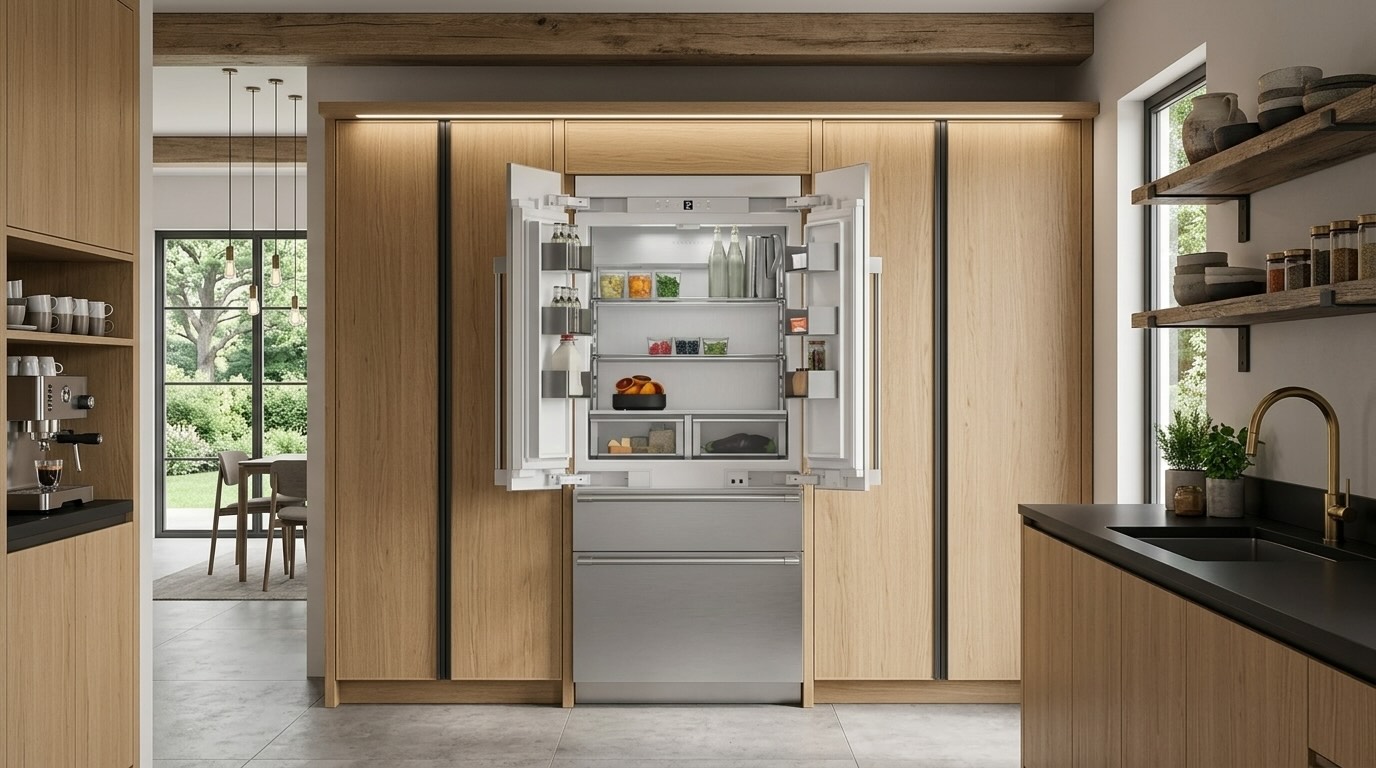
- French Door models (e.g., ZISS420NNSS or discontinued ZIS420NM): These wide, heavy fresh-food doors are the most prone to trouble. Owners frequently report the left or right door sagging slightly at the outer edge, causing the doors to misalign and not meet in the middle. The closing cam may fail to pull the door the last inch, resulting in a frustrating “almost closed” gap or a door that pops back open when released. We see this more often here because the dual doors bear uneven weight distribution over time.
- Side-by-Side & Column setups: Issues lean toward hinge misalignment along the full vertical length. The door might drift open a fraction of an inch, or the door seal fails to compress evenly from top to bottom. Columns are generally less dramatic than French doors, but any tilt from imperfect built-in leveling shows up immediately as poor sealing or visible gaps.
- Bottom Freezer variants: The lower freezer drawer or door can refuse to latch fully due to accumulated stress on the lower hinges or drawer slides. In some cases, the freezer door feels “loose” and requires extra force to engage, especially if the upper refrigerator doors have been heavily used.
Quick comparison note from our service logs: French-door configurations generate the highest volume of door-related calls — because the larger doors put more torque on hinges and closing cams. Single-door columns tend to show subtler symptoms but still require precise alignment to maintain that signature Monogram flush fit.
If your model matches one of these patterns, the next section will help you spot the early warning signs before the issue worsens.
Telltale Signs: Is Your Refrigerator Door Crying for Help?
Catching door problems early can save a lot of hassle — and potentially prevent food loss or higher energy use. Here are the most common red flags our Atlanta customers mention when a GE Monogram door won’t close or seal as it should:
- The door needs an extra nudge, slam, or shoulder push to latch fully — instead of closing smoothly on its own.
- You can feel cool air escaping around the edges (test by holding your hand along the door seal — a noticeable draft is a giveaway).
- Frost or condensation builds up faster than usual along the door perimeter or on nearby shelves.
- There’s a visible gap or misalignment: one side of the door sits proud of the cabinet, or the doors don’t line up evenly in multi-door models.
- Unusual sounds during operation — squeaking, grinding, or a sharp click that doesn’t end in a satisfying “thunk” as the door seats properly.
Any one of these signs usually means the door seal isn’t compressing evenly or the alignment has shifted. In our experience, ignoring them for weeks often turns a simple adjustment or gasket swap into a more involved hinge or cam repair. If several of these match what you’re seeing, it’s worth moving to the DIY checks below before the issue snowballs.
DIY Checks: What You Can Safely Do Before Calling Us
Before reaching out for service, run through these straightforward, low-risk steps. In many Atlanta Monogram homes we’ve visited, one of these resolves the issue without any tools beyond a level and a clean cloth. Go slowly — built-in doors are heavy and precise.

- Clear any obstructions. Open the doors fully and check every shelf, drawer, and bin. A tall bottle, shifted food container, or even a misaligned crisper drawer can block full closure. Remove anything that might interfere and test again.
- Perform the level test. Place a reliable bubble level on a flat shelf inside the refrigerator (side-to-side and front-to-back). If it’s off even slightly, adjust the leveling legs at the front bottom (turn clockwise to raise). An unlevel unit is one of the biggest hidden causes of door sagging in built-ins.
- Inspect and clean the door seal. Look closely at the door seal around all edges — feel for cracks, tears, hardening, or flattened spots. Wipe it gently with warm soapy water (no harsh chemicals) and dry thoroughly. Test the seal by closing the door on a dollar bill or thin paper; it should grip firmly when pulled straight out. If it slips easily in spots, the door seal may be compromised.
- Check upper hinge tightness (with extreme care). Visually inspect the top hinge screws for looseness — tighten gently with a screwdriver if needed. Do not force anything or attempt to adjust the lower hinge yourself, as that’s where the closing cam lives and misalignment can worsen quickly.
Critical safety note: Never remove the door, disassemble hinges, or try to pry apart the closing cam assembly at home. These are heavy components under tension, and improper handling risks injury, cabinet damage, or voiding any remaining coverage. If these steps don’t restore smooth, automatic closing — or if you spot obvious wear — it’s time for professional eyes.
When It's Time to Call the Experts at Appliance Repair Master
Some door issues resolve with the basic checks above, but many require more than a level and a cloth — especially in precision-built Monogram units. Here are the clear indicators that it’s time to bring in a technician:
- You see obvious damage to the door gasket worn — tears, deep cracks, flattened sections, or areas where the rubber has pulled away from the door frame.
- The door is sagging (one corner lower than the other, or the top/bottom doesn’t sit flush), and adjusting the leveling legs didn’t correct it.
- There’s a rattling, grinding, or “slipping” feel when closing, or you hear a distinct click that doesn’t lead to full latching — this almost always points to a closing cam broken inside the lower hinge.
- The problem persists after clearing obstructions, cleaning the seal, and confirming level — meaning the root cause is likely deeper (worn hinge components, shifted mounting points, or hinge misalignment that needs realignment with proper torque).
- You’re dealing with a French-door model, where the doors no longer align evenly in the center or one consistently refuses to seal without force.
In our experience, these scenarios are common in Atlanta’s luxury homes with Monogram installations. We carry genuine GE Monogram hinge kits, closing cams, replacement door seals, and the specialized tools needed for safe door removal and precise realignment — without risking scratches to custom panels or cabinetry. Attempting these repairs without the right experience often leads to further misalignment or damaged components.
Why Atlanta Homeowners Trust Us with Their GE Monogram Door Repairs
When it comes to premium built-ins like GE Monogram, not every repair service has the right combination of experience, parts access, and attention to detail. Here’s what sets Appliance Repair Master apart for Atlanta homeowners dealing with these sophisticated refrigerators:

- Accurate, upfront diagnostics — We start with a detailed phone walkthrough (describe the exact symptoms and model), then confirm on-site with precise measurements and hinge checks — no guesswork.
- Genuine GE Monogram parts only — We stock or source factory-original door seals, closing cams, hinge assemblies, and magnetic components directly. No cheap aftermarket substitutes that could compromise the flush fit or door alignment.
- Specialized handling for built-ins — Our technicians are trained on the unique demands of Monogram installations: protecting custom panels, avoiding cabinet scratches, and achieving that perfect millimeter-precise door alignment.
- Knowledge across the premium lineup — We’ve worked extensively on Monogram side-by-sides, columns, and even undercounter models like the ZWE23ESH (which shares similar hinge and seal mechanics with larger units). We understand the subtle differences between Monogram and related GE Profile series.
- Guaranteed workmanship — Every repair comes with our standard warranty on parts and labor, so you have peace of mind long after we leave.
We take pride in getting these luxury appliances back to flawless operation quickly — often in one visit — so your kitchen stays as elegant and efficient as the day it was installed.
Conclusion
A door won’t close properly on a GE Monogram refrigerator is rarely just a minor annoyance — it’s a symptom of wear, misalignment, or component fatigue that affects energy efficiency, food freshness, and the long-term health of one of your kitchen’s most expensive investments.
From our years of working on these units in Atlanta homes, we’ve seen that catching the issue early — whether through a simple cleaning of the door seal or a professional hinge adjustment — almost always prevents escalation to bigger problems like compressor strain from constant over-cycling.
The good news is that Monogram’s precision design means most door issues are fully repairable with the right parts and know-how. Don’t let a small gap turn into a costly cascade. If the DIY steps didn’t fully resolve it, or if you’re seeing any of the red flags we covered, reach out sooner rather than later. A quick, expert fix keeps your luxury appliance performing exactly as it should — quiet, efficient, and beautifully integrated.
Related guides
FAQ
1. Can I just replace the magnetic strip in my GE Monogram door seal?
No, the magnetic strip is molded directly into the door gasket. For reliable sealing and even magnetic pull, the entire door seal assembly needs to be replaced as one piece.
2. My French door refrigerator door seems to drop slightly when I open it. Is this normal?
A tiny initial drop can be part of the hinge geometry on some models, but if it’s noticeable, the door stays misaligned, or it struggles to close, that’s usually hinge misalignment or early door sagging that needs attention.
3. How long should a refrigerator door gasket last on a premium model?
With regular cleaning and normal use, 5–10 years is typical. Harsh cleaners, frequent door slamming, or heat exposure can accelerate door gasket worn — a common repair we handle on Monogram units.
4. Is the closing cam something I can order and replace myself?
The part is available, but swapping a closing cam broken requires safely supporting the heavy door, partial hinge disassembly, and precise realignment. It’s easy to misalign further or damage cabinetry without experience — best left to a technician.
5. Do you service GE Profile models like the ZWE23ESH for the same door issues?
Yes. While Monogram has a more premium finish, many hinge, seal, and cam mechanisms overlap with Profile series (including undercounter units like ZWE23ESH). Our team is fully equipped for door repairs across both lines.
6. Why does my Monogram door keep popping open after I close it gently?
This is a classic sign of a closing cam broken or worn lower hinge — the assist mechanism that should pull the door into the final latched position isn’t working, so even a soft close bounces back slightly.